
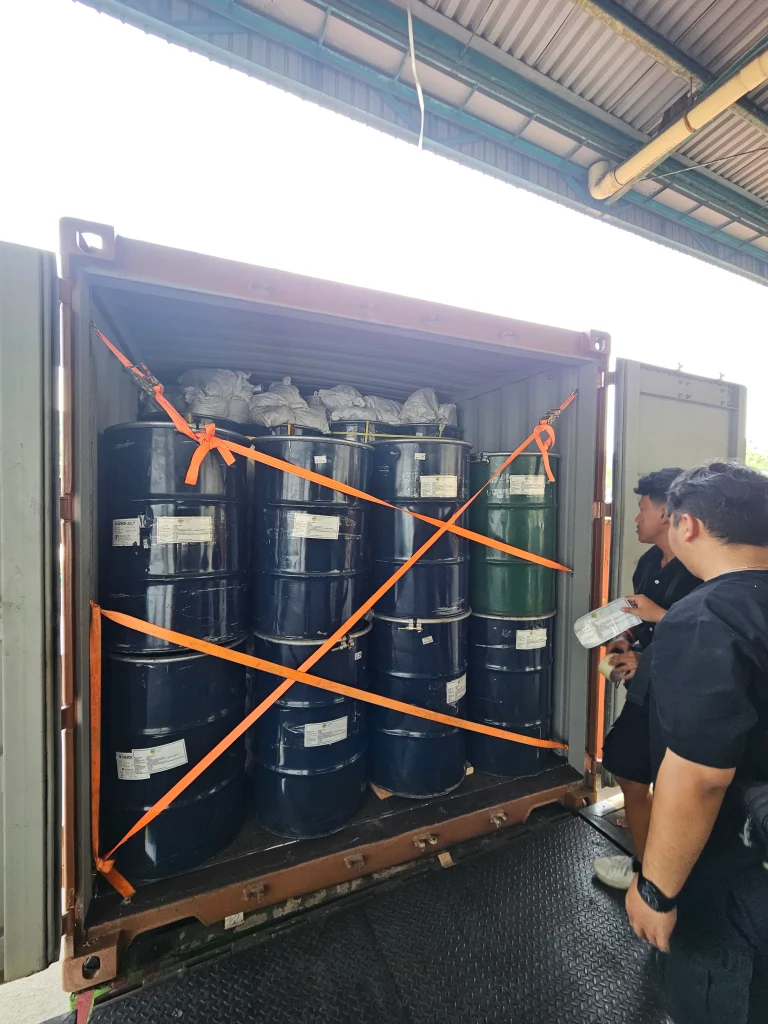
How to Import Organic Coconut Sugar from Indonesia (Complete Guide for Importers)
Indonesia is one of the world’s leading producers of coconut-based products, making it a key sourcing destination for organic coconut sugar. With increasing global demand for natural sweeteners, many importers, distributors, and food manufacturers are turning to Indonesia for reliable supply.
This complete guide explains how to import organic coconut sugar from Indonesia, including supplier selection, documentation, shipping, and compliance requirements.
Why Import Organic Coconut Sugar from Indonesia?
Indonesia offers strong advantages for international buyers:
One of the largest coconut producers globally
Stable supply capacity with thousands of farmers
Competitive pricing for bulk orders
Established export ecosystem
Certified organic production (NOP, EU, etc.)
Coconut sugar from Indonesia is widely used as a natural sweetener in food and beverage industries worldwide.
Step 1 – Find a Trusted Supplier
The first and most critical step is selecting a reliable supplier.
A good organic coconut sugar supplier Indonesia should provide:
Organic certifications (USDA NOP, EU Organic)
Stable production capacity
Clear product specifications
Export experience
Transparent communication
Importers are advised to request:
Product samples
Certificate of Analysis (COA)
Production photos or videos
Choosing the right supplier ensures consistent quality and reduces business risk.
Step 2 – Understand Product Specifications
Before placing an order, importers must define clear product requirements.
Typical organic coconut sugar specifications:
Moisture content: <2%
Color: light to dark brown
Form: granulated
Shelf life: up to 24 months
Quality factors to check:
Moisture level (affects shelf life)
Granule consistency
Taste and aroma
Cleanliness and contamination
Setting specifications early avoids disputes during shipment.
Step 3 – Check Import Requirements in Your Country
Each country has different import regulations for food products.
Common requirements include:
Import Permit
Issued by local authorities to allow food import.
Food Safety Compliance
Authorities like FDA (USA) or EFSA (Europe) regulate food safety standards.
Labeling Requirements
Must include:
Product name
Net weight
Expiry date
Country of origin
Nutritional information
Failure to meet these requirements can result in shipment delays or rejection.
Step 4 – Agree on Payment Terms
Common international payment methods:
T/T (Telegraphic Transfer)
L/C (Letter of Credit)
DP (Down Payment + balance)
Payment terms must be clearly stated in the contract, including:
Payment schedule
Currency
Bank details
Clear agreements prevent financial disputes during transactions.
Step 5 – Prepare Export Documents
The exporter (supplier) will prepare key documents required for import clearance.
Essential documents include:
Commercial Invoice
Packing List
Bill of Lading
Certificate of Origin
Organic Certificate
Phytosanitary Certificate (if required)
These documents are mandatory for customs clearance and verification.
Step 6 – Choose Shipping Method
There are two main shipping options:
Sea Freight (Most Common)
Suitable for bulk shipments
Cost-effective
Used for 20ft container loads
Air Freight
Faster delivery
Higher cost
Used for samples or urgent orders
Bulk organic coconut sugar is typically shipped via container for efficiency.
Step 7 – Understand HS Code & Duties
The commonly used HS Code for coconut sugar is:
HS Code: 17029090
Import duties vary depending on:
Destination country
Trade agreements
Product classification
Importers should check local customs tariffs before shipment.
Step 8 – Customs Clearance & Inspection
When the shipment arrives, customs authorities will:
Inspect documents
Check product compliance
Verify quality and quantity
Authorities may also conduct:
Physical inspection
Laboratory testing
Any discrepancies can lead to delays, fines, or rejection.
Step 9 – Receiving & Quality Check
After clearance, importers should:
Inspect product condition
Verify quantity
Check packaging integrity
If issues occur:
File insurance claims
Contact supplier immediately
Common Mistakes Importers Should Avoid
❌ Choosing supplier based on price only
❌ Not checking certifications
❌ Ignoring moisture content (risk of mold)
❌ Incomplete documents
❌ Not understanding import regulations
Pro Tips for Successful Import
✔ Start with small trial order
✔ Work with factory-direct supplier
✔ Use clear contract agreement
✔ Request real production photos
✔ Maintain long-term supplier relationship
Frequently Asked Questions
What is the minimum order quantity?
Typically starts from 1–3 tons depending on supplier.
Is organic certification mandatory?
Yes, especially for USA and EU markets.
How long does shipping take?
Asia: 1–2 weeks
Europe/USA: 3–5 weeks
Can I order private label packaging?
Yes, many suppliers provide OEM services.
Conclusion
Importing organic coconut sugar from Indonesia can be a highly profitable opportunity when done correctly. By choosing a reliable supplier, understanding regulations, and preparing proper documentation, importers can ensure a smooth and successful import process.
Indonesia remains the top choice for sourcing high-quality organic coconut sugar due to its strong production capacity, competitive pricing, and certified organic standards.